
About the project
Aesthetics of Access. Visualizing Research Data on Women in Film History (DAVIF) (2021—2025)
The research group DAVIF, funded by the Federal Ministry of Research, Technology and Space (BMFTR), investigates how metadata shape our understanding of film history, with a focus on women in early cinema. Through both theory and practice, we examine how data can help us to make the global contributions of female filmworkers more visible. In doing so, we also identify gaps and blind spots in cultural data collections and thus in film historiography.
The Film and Media Studies project contributes to the critical discourse on scholarly knowledge production in light of the increasing datafication of cultural heritage – that is, the creation and use of data in archival, curatorial and historiographical practices.
Data visualizations play a central role in this research process. To this end, we draw on the metadata of our project partners, the Women Film Pioneers Project (WFPP) and DFF – Deutsches Filmmuseum & Filminsitut. The Graphics and Multimedia Programming Group at Marburg University supports us with technical expertise and practical implementation. We also work closely with media designers and software developers. This project on Lotte Reiniger is our third collaboration – following the “Women Film Pioneers Explorer” and “Explorative Datenvisualisierungen”.
For further information about the research group please visit our website: https://uni-marburg.de/Q85oo.



Web Search
What can film historians tell us about Lotte Reiniger?
Lotte Reiniger (02.06.1899 – 19.06.1981) was a pioneering filmmaker whose work left a lasting mark on early cinema. She created more than sixty films, the vast majority of which have been preserved. She is best known for her hand-animated silhouette films but also contributed in many other capacities to numerous productions. Today, Reiniger remains one of the few women of the silent film era who are still widely recognized by film scholars, historians, and cinephiles. (Guerin and Mebold 2016)
Reiniger's best-known work is The Adventures of Prince Achmed. The film is celebrated as the world's first full-length animated feature film and thus a milestone in film history. It was released in cinemas in 1926 – more than ten years before the Walt Disney Studios released Snow White and the Seven Dwarfs in 1937.

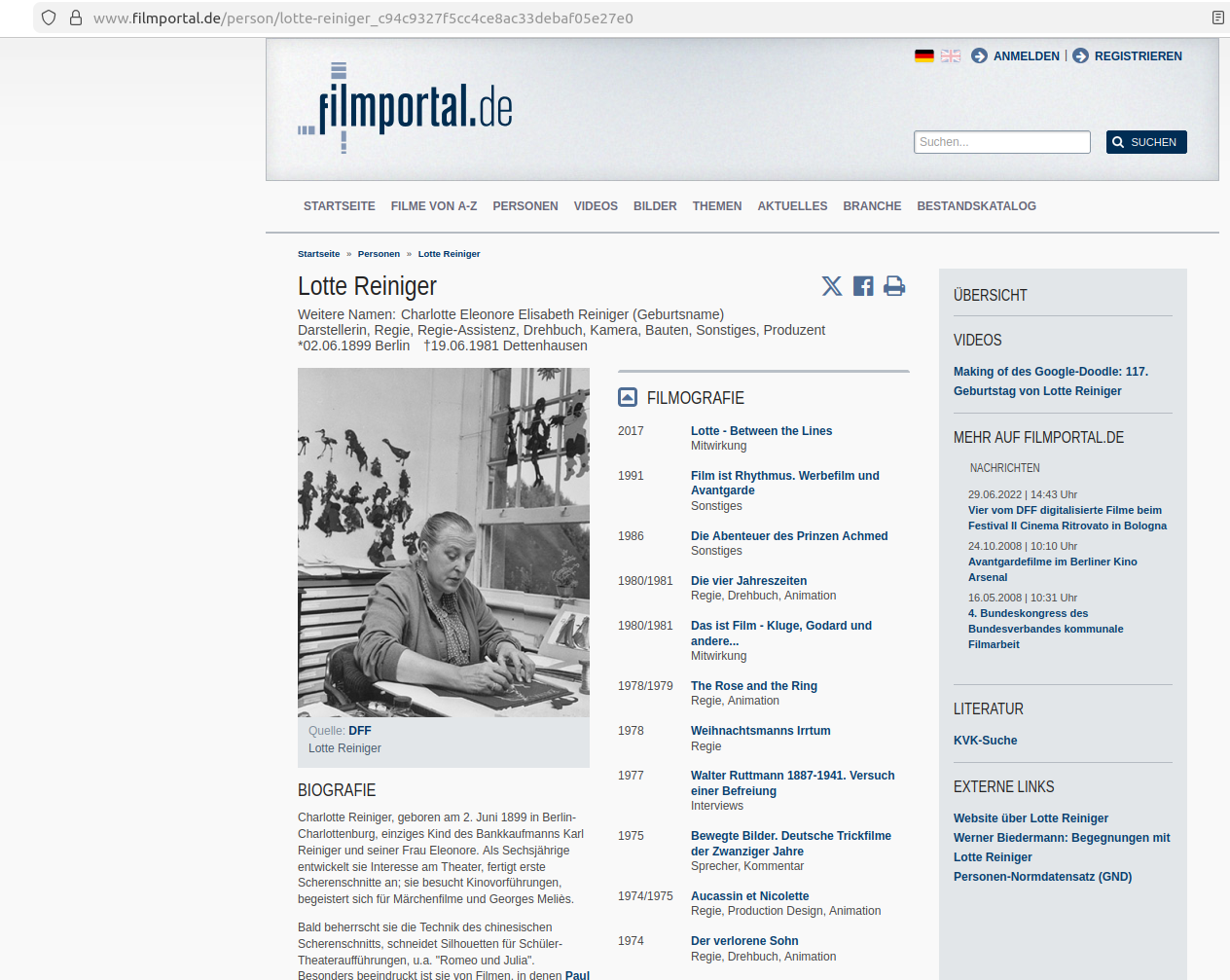
What can the internet tell us about Lotte Reiniger?


Blind Spots
If Lotte Reiniger was such a pioneering filmmaker, why isn't she as famous as Charlie Chaplin?
Reiniger, Ruttmann, and Richter
Reiniger's technical, aesthetic, and theoretical achievements were only marginally appreciated by her contemporaries. Siegfried Kracauer, for example, classified her work as that of an outsider. Colleagues such as Viking Eggeling, Walter Ruttmann, and Hans Richter, with whom Reiniger worked closely, prevented (consciously or unconsciously) her from being perceived as one of their own (ibid.).
Despite her extensive body of work and her successes during her career, which spanned from 1916 to 1981, most film enthusiasts are probably more familiar with the names Ruttmann or Richter. In addition to the focus on content, one reason for Reiniger's lack of recognition in professional circles may lie in the typical degradation of women's achievements through the feminization of craftsmanship. Ironically, it is precisely these achievements that have made Reiniger unforgettable as a pioneer of animated film (ibid.).
Women in Film History
From the numerous books and articles on women in film history, we have learned that women have had a significant impact on film production all over the world from the very beginning of film history. Women have worked and collaborated globally, not merely in North America and Europe but also in Latin America, Asia, and the Middle East (Gaines 2004). Thanks to the WFPP and other feminist online platforms, we can search for all the many trailblazing women who shaped film culture. Their contributions, however, continue to be marginalized.
That is why we must not only tell different stories, but also tell them differently. This has become a major concern of feminist film historiography (Dang 2020).
Data in Film History
In view of the increasing production and use of data in the course of digitalization, the goal of feminist film historians to increase the visibility of women’s work has taken on a new urgency. Through the production, processing, and dissemination of data, blind spots in a research field such as feminist film historiography can be maintained or amplified, but also minimized. Access to and critical reflection on data are therefore among the greatest challenges for film and media studies scholars today (Dang 2023).
Against this backdrop, this data visualization examines the role of cultural metadata in researching women in film history.
Metadata
What can metadata tell us about historical narratives?
What is metadata?
In the course of the datafied turn, the increasing datafication of cultural heritage, metadata increasingly determines whose stories can be told and which ones remain in the dark.
Put simply, metadata is data about other data, such as the name of a film director or information about the size and creation date of a digital file.
Until now, object- and person-related metadata – if at all – has been perceived primarily as a means to an end, to structure information and thus facilitate the identification, management, and retrieval of objects. The epistemological, methodological, and political significance of metadata in audiovisual media culture has only begun to be explored.
Since metadata is created and used by humans, their individual experiences and values are written into it. Through categorization of people and objects, metadata is actively involved in knowledge production processes. It contributes to ideas about the artifacts it describes. Inevitably, certain values and perspectives are emphasized while others are ignored (Bowker and Star 1999).
Metadata not only provides information about collections or facilitates research in archival holdings. It can also serve as a source for understanding the social and political contexts in which it was created. Metadata is part of an “indexical regime” (Fickers 2024), which has a decisive influence on our research and analysis capabilities.
What can metadata tell us about Lotte Reiniger?
In order to better understand how archival premises and practices influence film historiography and, conversely, how they are shaped by them, we have conducted a comparative analysis of metadata on Lotte Reiniger in three different databases:
- Wikidata
- DFF – Deutsches Filminstitut & Filmmuseum
- Women Film Pioneers Project
Step into the world of data analysis!
Job Titles
What can job titles tell us about women in film history?
The following metadata analysis focuses on the professions under which Lotte Reiniger is listed in different film historical databases. Looking at job titles shifts the focus from the privilege often granted in film history to the individual author/director and reveals a more complex, collective conception of film production. In addition, job titles are highly interesting because they provide information not only about a person's activities, but also about their social status, values, and the hierarchical structures of a society (Moeller 2019). Furthermore, job titles in databases can be used to observe how ambiguities and contingencies in film history manifest themselves.
Datasets
The comparative analysis is based on three different datasets on early cinema: 1) the Women Film Pioneers Project (WFPP), 2) the DFF – Deutsches Filminstitut & Filmmuseum, and 3) Wikidata. The datasets contain information on people and films these people have worked on.
The WFPP dataset was enriched with filmographic data based on the WFPP profile texts by Pauline Junginger. It was then structured in collaboration with software developer Andreas Raddau and made available in a specifically developed relational database.
Both the WFPP and the DFF datasets were then merged, cleaned, and enriched with data from Wikidata by media designer Mika Schories as part of a previous case study, Explorative Datenvisualisierungen.
Further information on the datasets (including links to the processing scripts and the original datasets) can be found here (in German): https://davif-datavis.online.uni-marburg.de/femfige-archives.html.
For pragmatic reasons, we slightly adjusted the film titles and production years for this job title analysis. Please notify us if you discover any errors or inconsistencies.
What can Wikidata tell us about Lotte Reiniger?
Like Wikipedia, Wikidata belongs to the Wikimedia family. With more than 100 million entries in around 300 languages covering a seemingly endless range of topics, the platform is currently the largest and most popular international database on people, objects, and events. Wikidata acts as acollaborative hub for open metadata. The data is generated by users on a voluntary basis and made publicly accessible under a CCO license.
Wikidata functions not only as a knowledge graph that links all data internally, but also as a transinstitutional network. The platform interacts with international organizations such as UNESCO, subject-specific databases such as the Internet Movie Database (IMDb), and commercial applications such as Google Search. In addition, Wikidata is increasingly being integrated into AI applications. This is all the more important to know that even participatory platforms such as Wikidata are subject to power dynamics and marginalization (Ford and Iliadis 2023).
31 films by Lotte Reiniger are listed in Wikidata, including a documentary about her from 2012.
Embedded Films & Media Culture
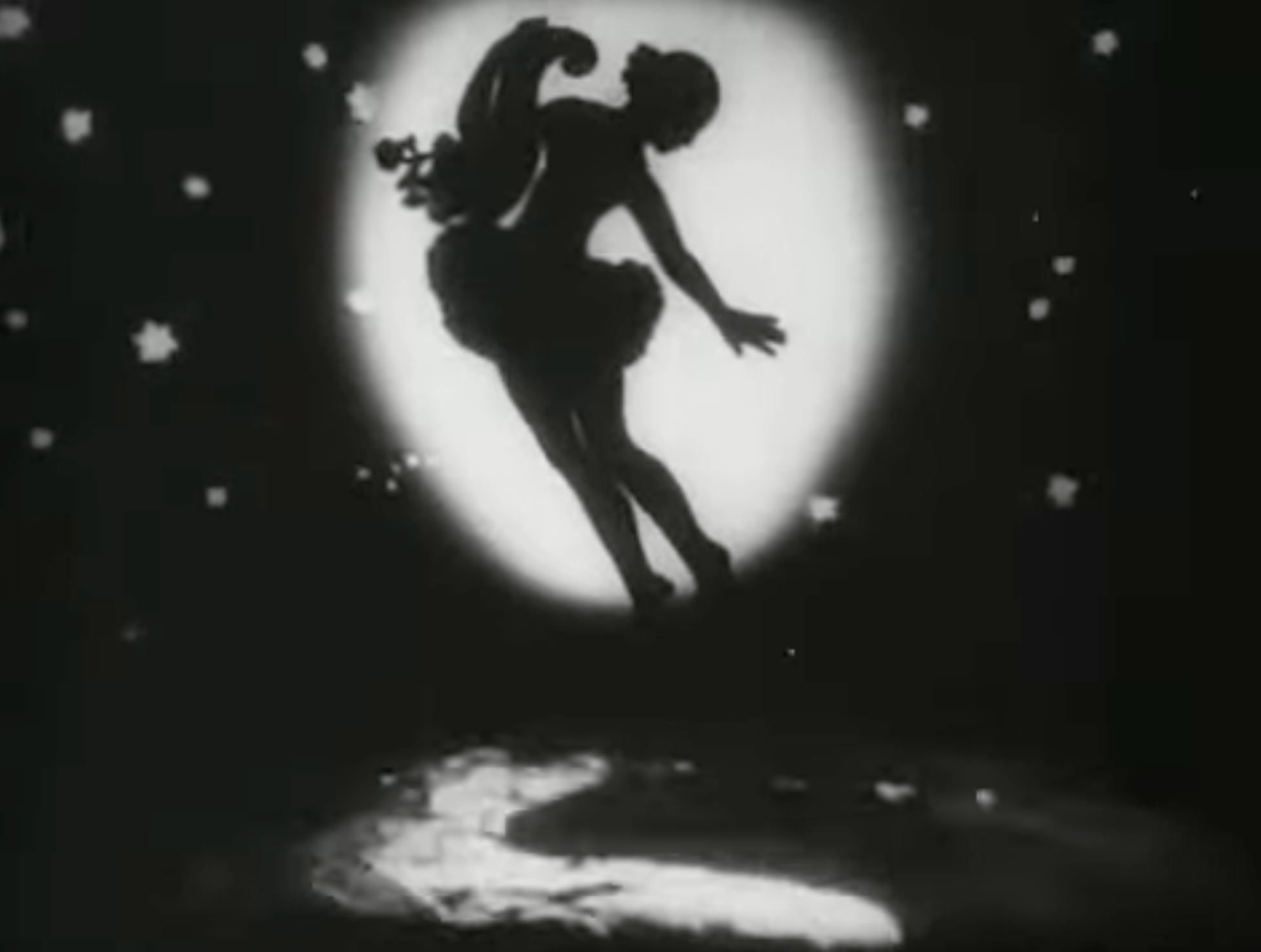
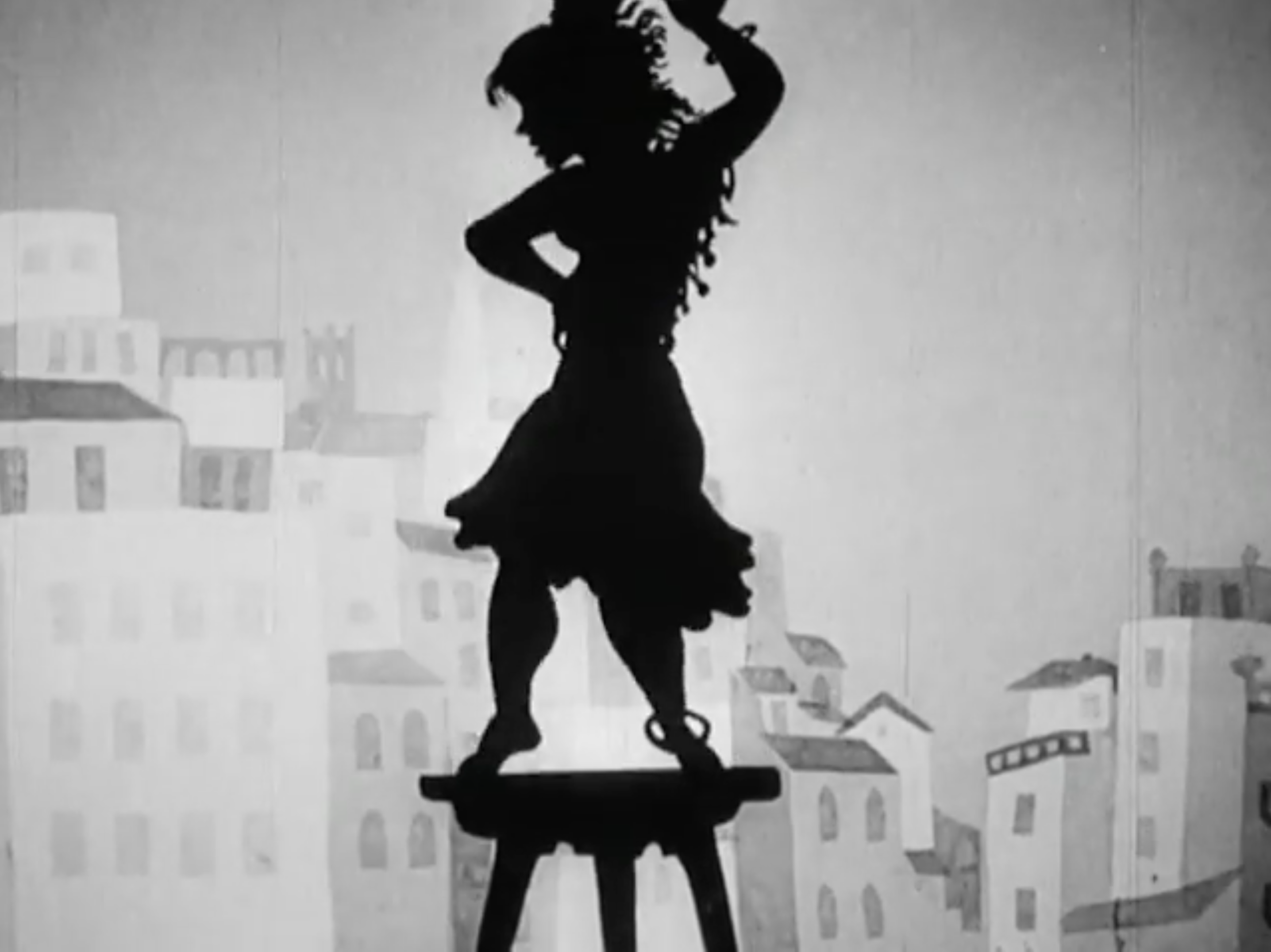
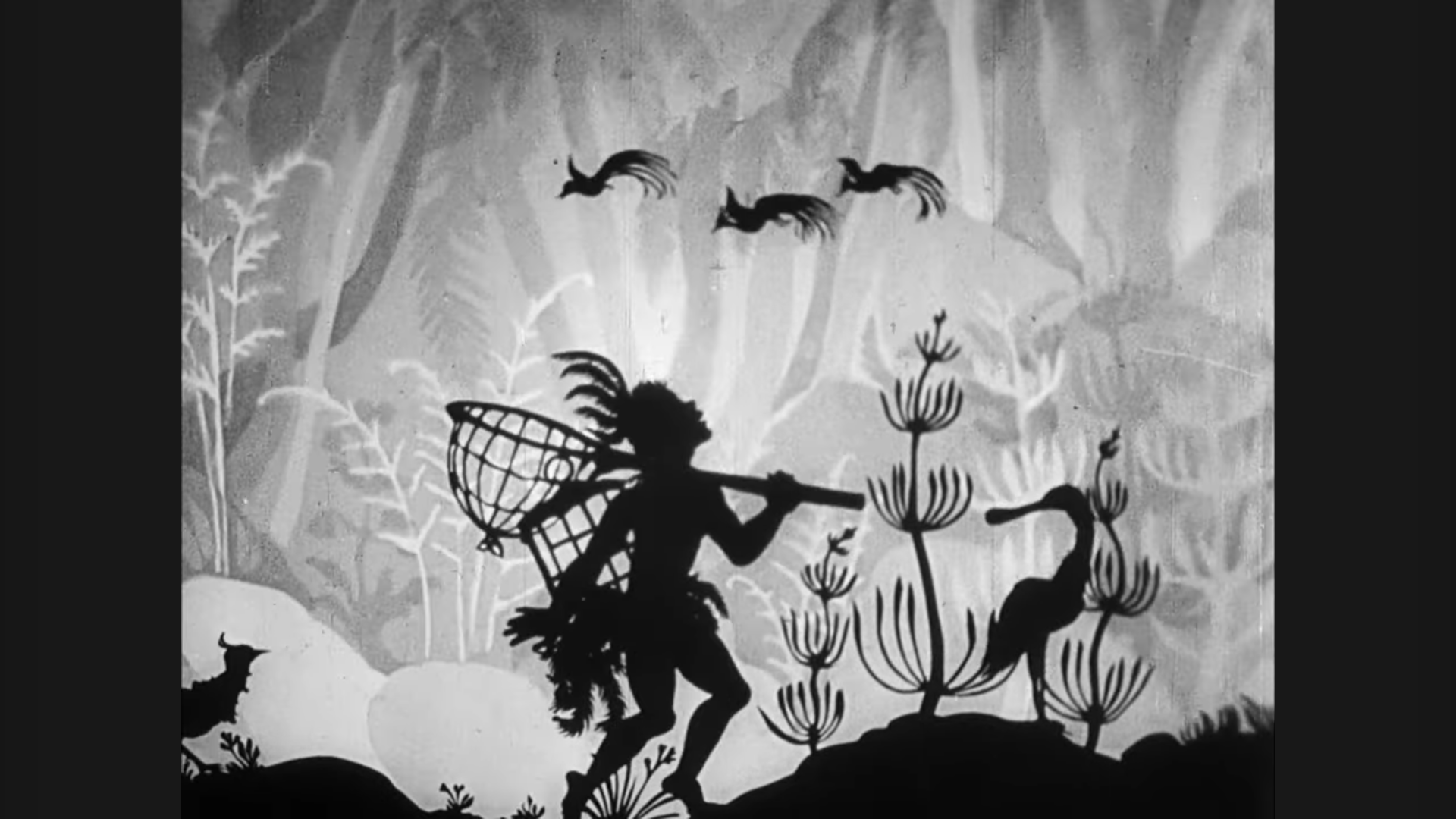
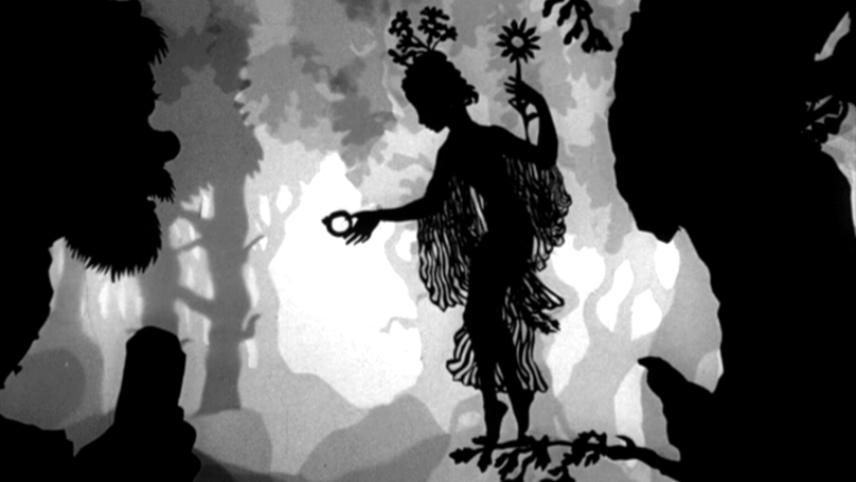
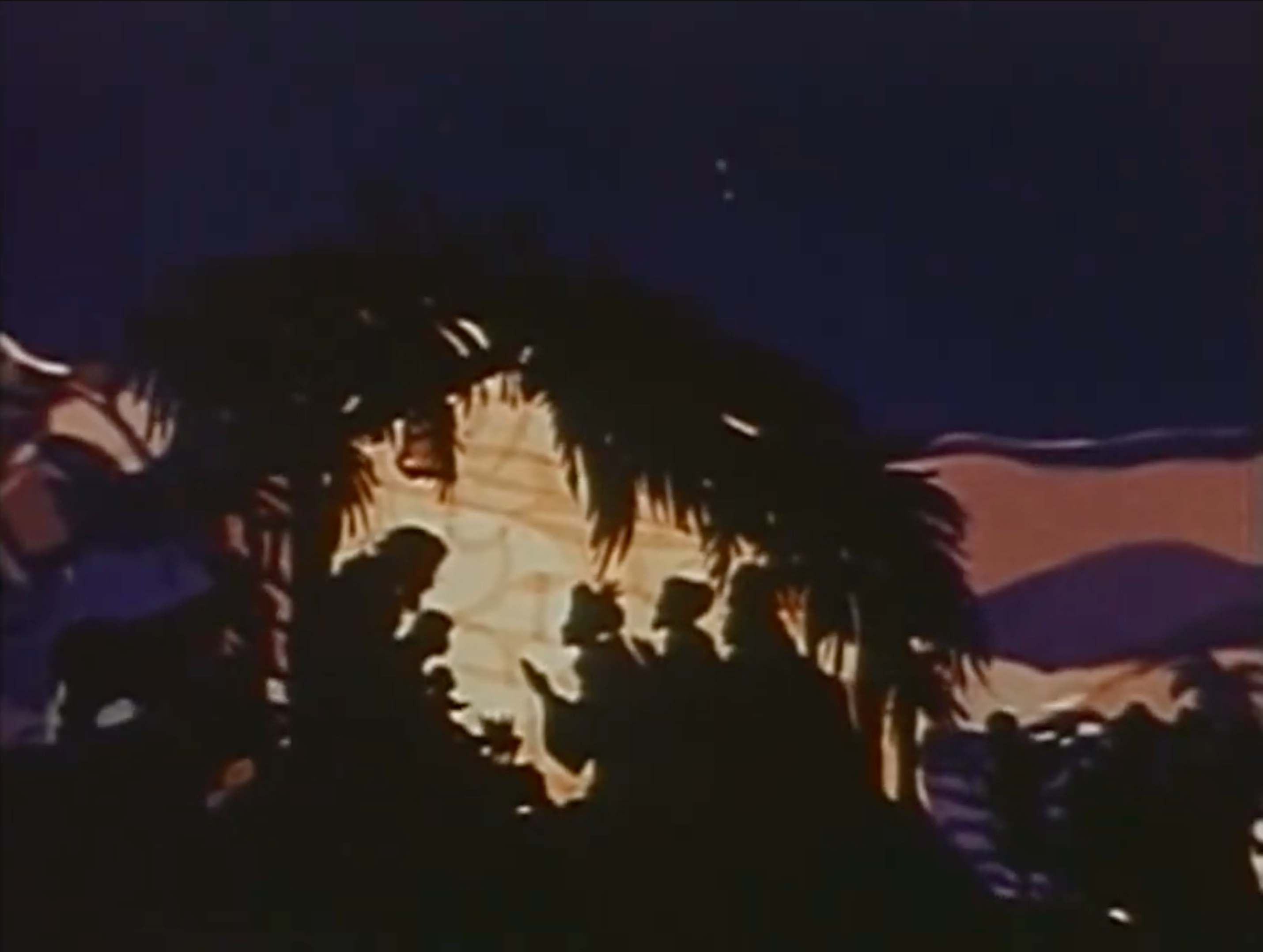
Where films by Reiniger could be found on the internet, we have embedded them here. We are aware that these are not necessarily original versions. The primary aim here is to give a first impression of her work. In addition, the videos reflect internet search as it is commonly conducted in everyday media practice, including by film and media scholars.
Films are part of a living media culture: their circulation across various media, institutions, and countries, as well as their constant evolution, are inherent to them. Films are distributed, reproduced, and altered; they are censored, re-edited, dubbed, archived, reconstructed, restored, digitized, and re-screened. Their formats and contexts of reception are constantly changing, and with them, their respective perceptions and meanings. Therefore, our knowledge of film history must also be continually questioned and reoriented.







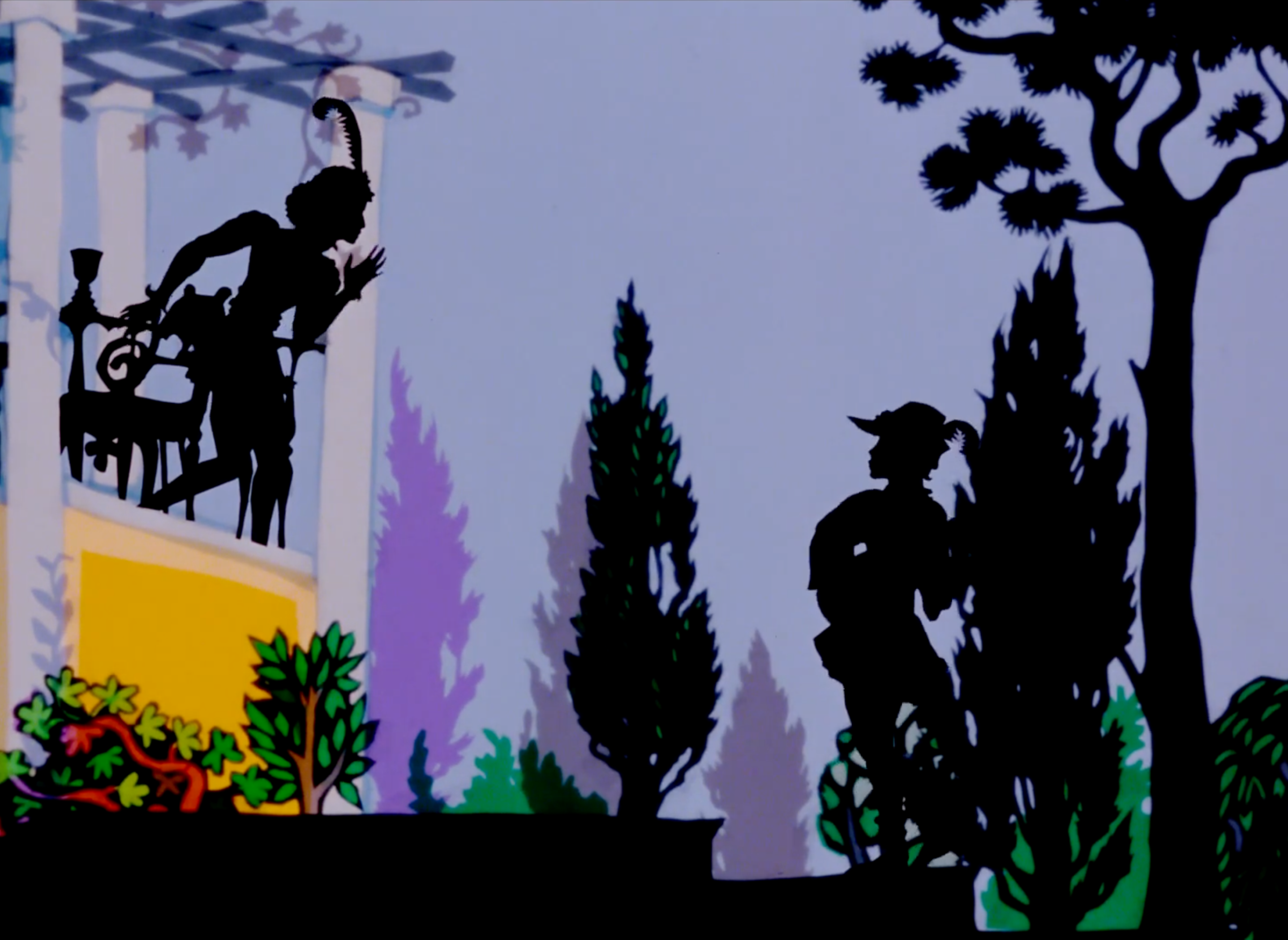
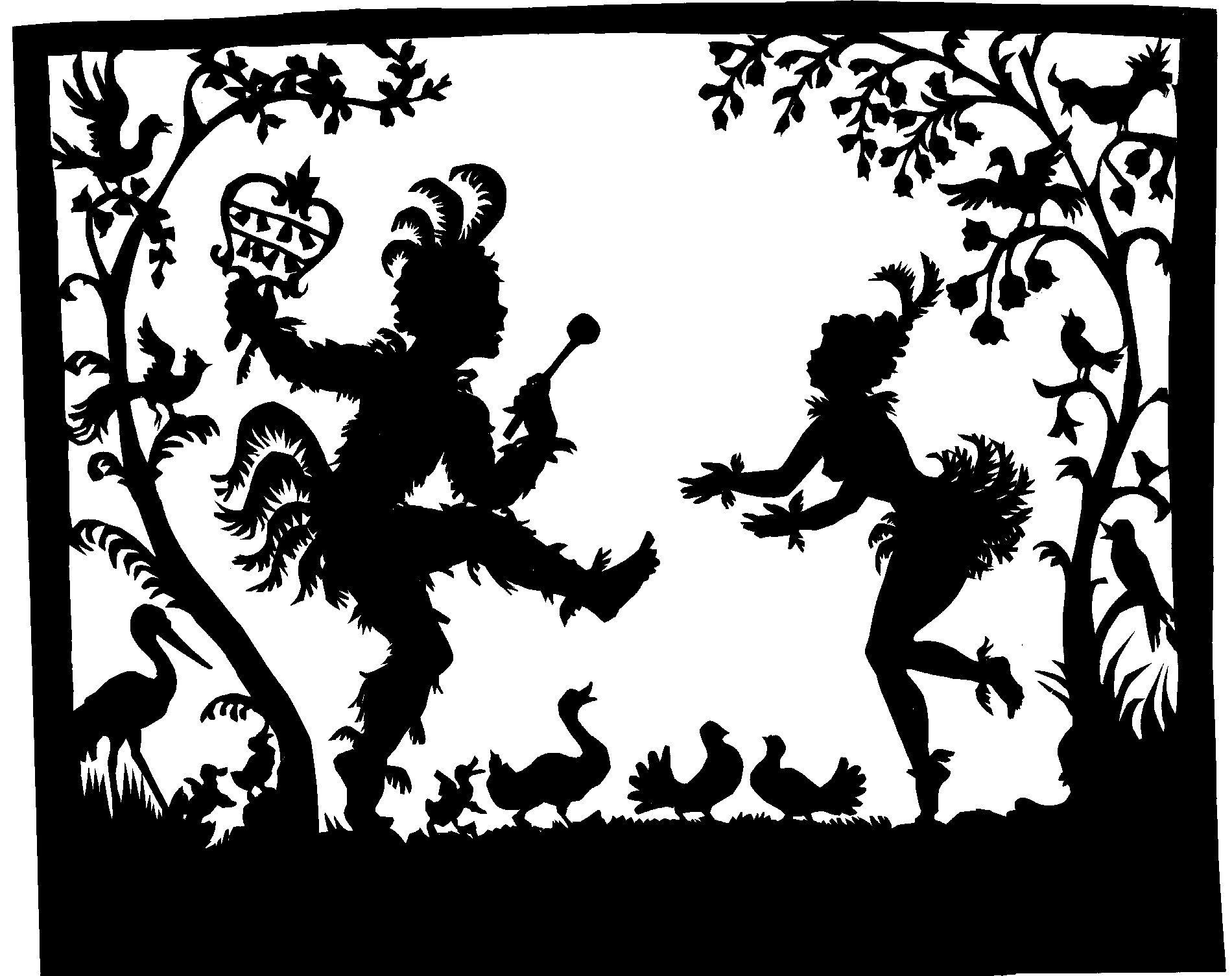
Let's take a look at which films are included in the other two datasets to see what is missing from Wikidata!
Let’s take a look at how she is represented in other data sources!
Let's take a look at how the distribution looks like when we compare the job titles in the films!
Let's take a closer look in the next visualization!
Conclusion
As we have shown using the example of Lotte Reiniger, film historical metadata are highly heterogeneous. They are by no means coherent and straightforward, let alone standardized or neutral. They are shaped by technological infrastructures and the beliefs and decisions of people.
In order to understand the specific conditions and implications of metadata, we need to investigate the provenance of the data, the conditions under which they were created and used. For example:
- Which individuals or organizations generated the data, under what premises, and for what purpose?
- Who is represented in a database and what remains invisible?
- What kind of data was overlooked, manipulated, or deleted?
We must also ask: What information is typically recorded in archives? What is omitted? What kind of knowledge cannot be transferred into data?
Working with data can reinforce power relations, but it can also counteract them. It can enable us to rethink or perhaps even redefine film history as a site of plural perspectives and political responsibility.
Critical Note
When studying Lotte Reiniger’s work today, it is important to note that some of the films she worked on contain racist elements, such as blackfacing in Der fremde Fürst (1918). The silhouettes of Black people in Die Abenteuer des Prinzen Achmed (1923–1926) can also be interpreted as exoticizing and racializing due to their stereotypical portrayal. Dealing with discriminatory attributions or representations in data-based projects is a general challenge when working with historical films or other artifacts. There are many projects that address these ethical questions (see for example, DE-BIAS or ELSA4Memory). They explore how a more critical and respectful approach to cultural heritage data might look like.
Lotte Reiniger's artistic legacy can be viewed today in the permanent exhibition "Lotte Reiniger – The World in Light and Shadow" at the Tübingen City Museum.
Creative Commons Licence
This work is licensed under a Creative Commons Attribution-ShareAlike 4.0 International License (CC BY-SA 4.0).
Suggested citation
Dang, Sarah-Mai and Christian Laesser (2026): Searching for Lotte Reiniger: A Comparative Analysis of Metadata and Discoverability. https://doi.org/10.64942/xxx.
Contact
This visualization is part of an ongoing research project on cultural data and historical narratives. Therefore, questions, general inquiries, and comments about this project are very welcome: kontakt[at]sarahmaidang.de.

References
- Bock, Hans-Michael (ed.) (1984–2022): CineGraph – Lexikon zum deutschsprachigen Film. Munich: edition text + kritik.
- Brah, Avtar (1996): Cartographies of Diaspora: Contesting Identities. London/New York: Routledge.
- Dang, Sarah-Mai (2025): “Managing the Past: Research Data and Film History,“ in: Doing Digital Film Historiography: Concepts, Tools, Practices, edited by Sarah-Mai Dang, Tim Van der Heijden, and Christian Gosvig Olesen. Berlin/Boston: De Gruyter Oldenbourg. https://doi.org/10.1515/9783111082486-007
- Dang, Sarah-Mai (2023): “The Women Film Pioneers Explorer: What Data Visualizations Can Tell Us About Women in Film History,“ in: Feminist Media Histories 9(2), 76–86. https://doi.org/10.1525/fmh.2023.9.2.76 [full article]
- Dang, Sarah-Mai (2020): “Unknowable Facts and Digital Databases: Reflections on the Women Film Pioneers Project and Women in Film History,“ in: Digital Humanities Quarterly 14(4), n.p. https://dhq.digitalhumanities.org/vol/14/4/000528/000528.html
- Dang, Sarah-Mai, Pauline Junginger, and Anne Hart (eds.) (2025): Data Practices, Provenance, and Categorizations in Film History: Interviews with Scholars, Archivists, and Project Managers. Zenodo. https://doi.org/10.5281/zenodo.17233942
- Dang, Sarah-Mai; Junginger, Pauline (2024): “'Regie', 'Animation', 'Bauten': Zur Bedeutung von heterogenen Metadaten für die Filmforschung am Beispiel von Lotte Reiniger,“ in: Frauen und Film 72, 141–151. [link] [full article]
- Fickers, Andreas (2022): “What the D does to history: Das digitale Zeitalter als neues historisches Zeitregime?," in: Digital History: Konzepte, Methoden und Kritiken Digitaler Geschichtswissenschaft, edited by Karoline Dominika Döring, Stefan Haas, Mareike König, and Jörg Wettlaufer, 45–64. Berlin/Boston: De Gruyter Oldenbourg. https://doi.org/10.1515/9783110757101-003
- Ford, Heather and Andrew Iliadis (2023): "Wikidata as Semantic Infrastructure: Knowledge Representation, Data Labor, and Truth in a More-Than-Technical Project," in: Social Media + Society 9(3). https://doi.org/10.1177/20563051231195552
- Ford, Heather and Judy Wajcman (2017): "'Anyone Can Edit', Not Everyone Does: Wikipedia’s Infrastructure and the Gender Gap," in: Social Studies of Science 47(4), 511–27. https://doi.org/10.1177/0306312717692172. [link].
- Gaines, Jane M. (2004): “Film History and the Two Presents of Feminist Film Theory,“ in: Cinema Journal 44(1), 113–19. [link]
- Gaines, Jane M., Radha Vatsal, and Monica Dall’Asta (2013): Women Film Pioneers Project, New York: Columbia University Libraries, [https://wfpp.columbia.edu/]](https://wfpp.columbia.edu/ (accessed 28 January 2026)
- Guerin, Frances and Anke Mebold (2016): "Lotte Reiniger,” in: Women Film Pioneers Project, edited by Jane Gaines, Radha Vatsal, and Monica Dall’Asta, New York: Columbia University Libraries. https://doi.org/10.7916/d8-6m3p-mh27. [link].
- Moeller, Katrin (2019): “Standards für die Geschichtswissenschaft! Zu differenzierten Funktionen von Normdaten, Standards und Klassifikationen für die Geisteswissenschaften am Beispiel von Berufsklassifikationen,” in: Aufklärungsforschung digital Konzepte, Methoden, Perspektiven, edited by Jana Kittelmann and Anne Purschwitz, Halle: Mitteldeutscher Verlag, 17–43.
- Ọnụọha, Mimi (2016): “The Library of Missing Datasets”, https://mimi-onuoha-9s0o.squarespace.com/the-library-of-missing-datasets (accessed 28 January 2026)
- Saccone, Kate (2025): “(Re)Visioning Women’s Film History: The Women Film Pioneers Project and Digital Curatorial-Editorial Labor,” in: Doing Digital Film History: Concepts, Tools, Practices, edited by Sarah-Mai Dang, Tim Van der Heijden, and Christian Gosvig Olesen. Berlin/Boston: De Gruyter Oldenbourg, 157–184. https://doi.org/10.1515/9783111082486-008
Further Readings
- https://www.lottereiniger.de/index.php (German)
- https://lotte-reiniger-film.mewi-projekte.de/index.html (German)